How to Help
Click Here for More Information on How to Donate and Volunteer
What is a VOAD
State/Territory VOADs are essential to the #VOADMovement.
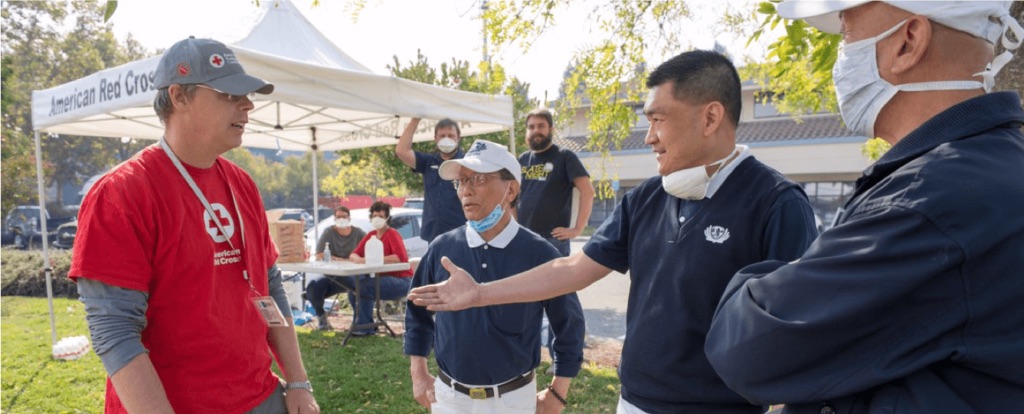
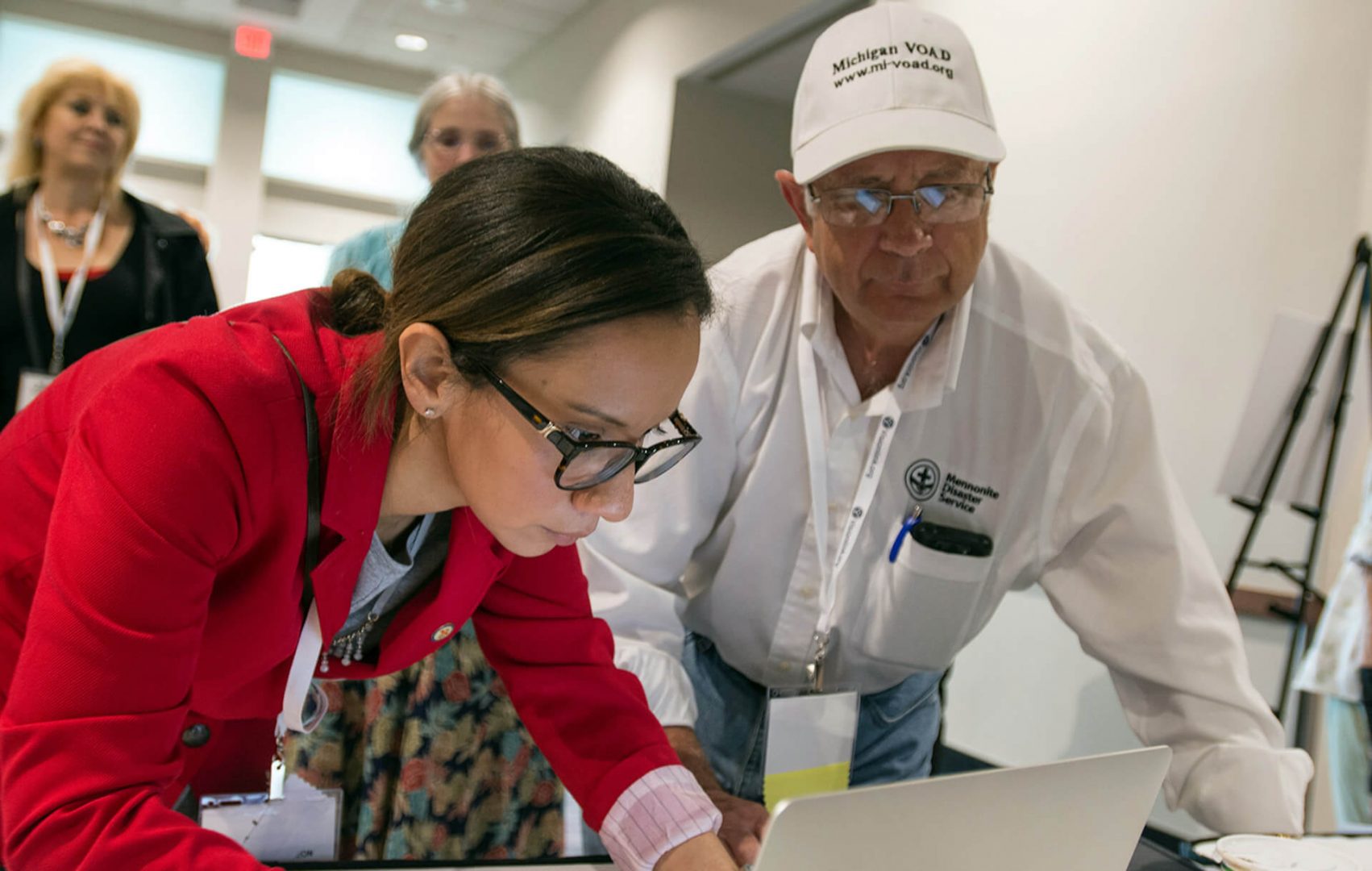
State/Territory VOADs are associations of organizations that lead response efforts, communicate urgent needs to the wider National VOAD network, and provide assistance to communities affected by disaster. By adhering to the 4 Cs (Communication, Cooperation, Coordination, and Collaboration), State/Territory VOADs effectively provide relief.
- Communication State/Territory VOADs communicate needs to responding non-profits and agencies
- Cooperation Work within the VOAD Movement to share resources and ensure community needs are met.
- Coordination Once on the ground, State/Territory VOADs coordinate response efforts to ensure the delivery of those goods and services to communities affected by disaster.
- Collaboration Continue to work together across all levels, from Local VOADs/COADs to Federal agencies, to ensure that communities are made whole following disasters.
How to Help
Help CommunitiesAffected by Disaster
Click for more information on how to donate and volunteer effectively.



Resources
Please find below a library of important and useful resources to help prepare yourself,
and your community for an emergency.
Feed the Children COVID Best Practices
Public resource from Feed the Children outlining best practices for individual and organizational COVID response.
National Mass Care Strategy – Sheltering in COVID Affected Areas
These guidelines for operating shelters in a COVID-19 environment are provided as a public service and are still under development, review and subject to change based on changing CDC…
Tools for State VOADs to Prepare for DCM
Resources for State VOADs to prepare to manage their own DCM programs. Intended for internal use only.
VOAD LEAD One Pager
Overview of the State VOAD LEAD program. Intended for internal use only.
VOAD Capabilities Matrix